
That soft, stubborn layer of facial fuzz is not the only reason clients ask about a dermaplaning facial Buford appointment. Often, what they really see in the mirror is makeup catching on texture, a dull complexion that will not brighten up, or skincare that seems to sit on top of the skin instead of absorbing well. Dermaplaning can be a beautiful reset for the right person, but the best results begin with knowing what your skin needs right now.
At Bare & Bloom Aesthetics Studio, dermaplaning is approached as corrective skincare, not a one-size-fits-all add-on. Your skin deserves more than a quick service chosen because it is trending. It deserves an educated look at texture, acne activity, sensitivity, pigmentation, homecare, and the goals you want to work toward.
What Dermaplaning Actually Does
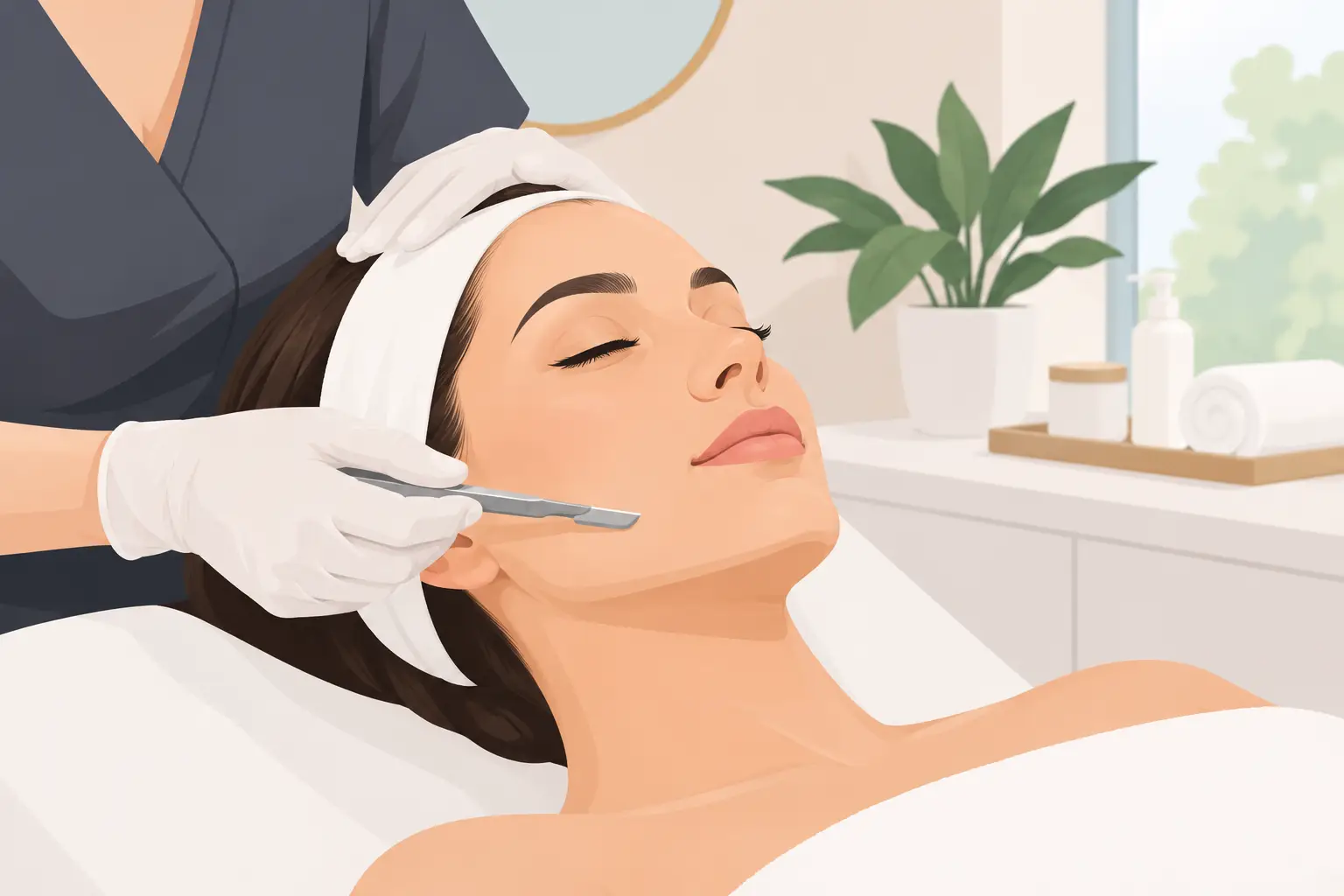
Dermaplaning is a professional exfoliation treatment performed with a sterile, single-use blade. An esthetic professional uses controlled, gentle strokes to remove the outermost buildup of dead skin cells and fine vellus hair, often called peach fuzz. The result can be skin that feels notably smoother and looks more polished right away.
Removing that surface buildup may also help makeup apply more evenly and allow professional skincare products to sit closer to the skin. For clients dealing with dullness, dry surface texture, or a rough feel around the cheeks and jawline, it can be a satisfying part of a consistent treatment plan.
One myth deserves to be put to rest: dermaplaning does not cause facial hair to grow back darker, thicker, or faster. Vellus hair has a soft, fine texture, and shaving it at the surface does not change the hair follicle underneath. When it grows back, it may feel different at first because the hair has a blunt edge, but its color and growth pattern do not change because of dermaplaning.
Is a Dermaplaning Facial in Buford Right for Your Skin?
Dermaplaning tends to work especially well for skin that is not actively inflamed and needs a smoother, brighter-looking finish. It may be a strong fit if your primary concerns are dullness, dry or flaky surface buildup, uneven texture, fine facial hair, or makeup that does not wear the way you want it to.
It can also pair well with a customized facial when the goal is hydration and healthy glow. After the skin is appropriately exfoliated, calming and hydrating products can be selected based on what your barrier needs, rather than applying the same formula to every face.
However, dermaplaning is not always the right first choice. If you have painful breakouts, widespread active acne, open lesions, a sunburn, a skin infection, or an irritated barrier, scraping across the area can create more irritation. In those cases, the better next step may be acne-focused care, barrier support, or a treatment designed to calm congestion without compromising sensitive skin.
Clients using prescription acne medications, topical retinoids, strong exfoliating products, or recent professional peels should share that information before booking. Timing matters. A trained provider can help determine whether dermaplaning is appropriate now or whether your skin needs a pause from additional exfoliation.
Dermaplaning and melanin-rich skin
For melanin-rich skin, the question is not whether dermaplaning is automatically off-limits. The key is whether the skin is stable enough for it and whether the treatment is performed with a thoughtful plan. Hyperpigmentation can become more noticeable after inflammation or irritation, so aggressive treatment is never the goal.
A careful consultation considers current dark spots, post-acne marks, sensitivity, active breakouts, and the products you use at home. If discoloration is a primary concern, dermaplaning may be one supportive piece of a broader corrective plan. It is not a stand-alone answer for pigmentation, and it should not replace daily sunscreen, homecare consistency, or targeted professional treatment when those are needed.
What to Expect During Your Appointment
A quality dermaplaning appointment should not feel rushed. It begins with a skin conversation: what you are seeing, what has changed recently, your current routine, medications, past reactions, and your goals. For more complex concerns such as persistent acne, discoloration, or visible textural changes, an in-depth consultation and AI skin analysis can provide a clearer starting point.
Once your skin is cleansed and assessed, dermaplaning is performed in small sections with the skin held taut. Most clients describe the sensation as light scraping or brushing, not painful. The service is then followed by products chosen for your skin condition, often with a focus on hydration, calming support, or glow.
You may notice immediate softness and brightness, though some mild pinkness can happen, particularly if your skin is sensitive. That is why treatment selection matters. Real skin, real progress means choosing services that respect your barrier instead of pushing it for a short-lived result.
The Aftercare That Protects Your Results
The first few days after dermaplaning are when simple, steady care makes the difference. Your newly exfoliated skin can be more responsive to products and more vulnerable to irritation. Keep your routine gentle, hydrating, and consistent.
Use a mild cleanser, moisturizer, and broad-spectrum sunscreen every morning. Sunscreen is non-negotiable, especially if dark spots or uneven tone are concerns. Freshly exfoliated skin does not need a pile of new actives to look better. It needs protection.
For a short period after treatment, your provider may ask you to pause retinoids, exfoliating acids, scrubs, benzoyl peroxide, or other potentially irritating products. Avoid picking, waxing the treated area, and prolonged heat exposure if your skin feels warm or reactive. Exact timing depends on your products and skin history, so personalized direction is more useful than a generic aftercare checklist.
How Often Should You Dermaplane?
For many clients, every four to six weeks is a reasonable rhythm. That gives the skin time to complete its natural renewal cycle and allows facial hair to regrow enough for treatment. More often is not necessarily better. Over-exfoliation can leave the skin tight, reactive, and less able to tolerate the corrective ingredients that support long-term improvement.
The best frequency depends on your goals. Someone preparing for a special event may want a single glow-focused appointment timed thoughtfully before the date. Someone working on dehydrated texture may benefit from periodic dermaplaning within a facial plan. Someone with active acne may need to address inflammation and congestion first, then revisit dermaplaning when the skin is calmer.
This is also where homecare earns its place. Professional treatments can create meaningful momentum, but the cleanser, treatment products, moisturizer, and SPF you use between visits shape how your skin performs over time. Consistency looks good on you because it gives your skin the chance to respond without constantly starting over.
Choosing More Than a Quick Exfoliation
A dermaplaning service should leave you looking refreshed, not wondering why your skin suddenly feels compromised. Choose a provider who asks about your routine, evaluates active concerns, uses sterile technique, and can explain why dermaplaning does or does not fit your current skin condition.
If you are navigating acne, post-acne marks, dehydration, or uneven tone, start with what you see in the mirror and let that guide the plan. Sometimes dermaplaning is the right next step. Sometimes your skin is asking for calming care, clinical acne support, a customized HydraFacial, or a different corrective treatment first.
The goal is never to chase perfectly filtered skin. It is to make informed choices that help your real skin feel smoother, stronger, and more like yours with every visit.
Leave a Reply